


Master The Best SEO Strategies to Boost Your Digital Marketing Rankings Today
Search engine optimization (SEO) remains one of the most effective ways to increase your website’s visibility and attract more visitors. If your digital marketing efforts are not delivering the results you want, mastering the best SEO strategies can be the key to improving your rankings and driving more organic traffic. This post shares expert tips and practical strategies to help you enhance your SEO and integrate it effectively into your marketing plan.

Understand Your Audience and Keywords
The foundation of strong SEO starts with knowing who your audience is and what they search for. Use tools like Google Keyword Planner, Ahrefs, or SEMrush to find relevant keywords that match your audience’s intent. Focus on:
Search intent: Are users looking for information, products, or services?
Long-tail keywords: These are more specific phrases that often have less competition and higher conversion rates.
Competitor analysis: Identify keywords your competitors rank for and find gaps you can fill.
For example, if you run an online store selling eco-friendly products, instead of targeting broad terms like “eco-friendly,” focus on long-tail keywords such as “biodegradable kitchen utensils” or “sustainable office supplies.”

Optimize On-Page Elements For Best SEO Strategy
On-page SEO involves optimizing individual pages to rank higher and earn more relevant traffic. Key areas to focus on include:
Title tags: Use your primary keyword near the beginning of the title.
Meta descriptions: Write clear, compelling summaries that encourage clicks.
Headers (H1, H2, H3): Structure your content with headings that include relevant keywords.
URL structure: Keep URLs short, descriptive, and keyword-rich.
Image optimization: Use descriptive file names and alt text for images to improve accessibility and SEO.
Internal linking: Connect related pages on your site to help search engines understand your content hierarchy.
For instance, a blog post about SEO tips might have a title like “Master SEO Strategies to Boost Your Website Rankings” and include subheadings such as “Keyword Research Techniques” and “Improving Site Speed.”
Create High-Quality, Relevant Content
Content is still king in SEO. Search engines reward websites that provide valuable, original, and well-structured content. To create content that ranks well:
Address your audience’s questions and problems.
Use clear, concise language.
Include examples, case studies, or data to support your points.
Update content regularly to keep it fresh and relevant.
Use multimedia like images, videos, or infographics to enhance engagement.
For example, a detailed guide on “How to Improve Website Speed” with step-by-step instructions and screenshots will perform better than a generic article.
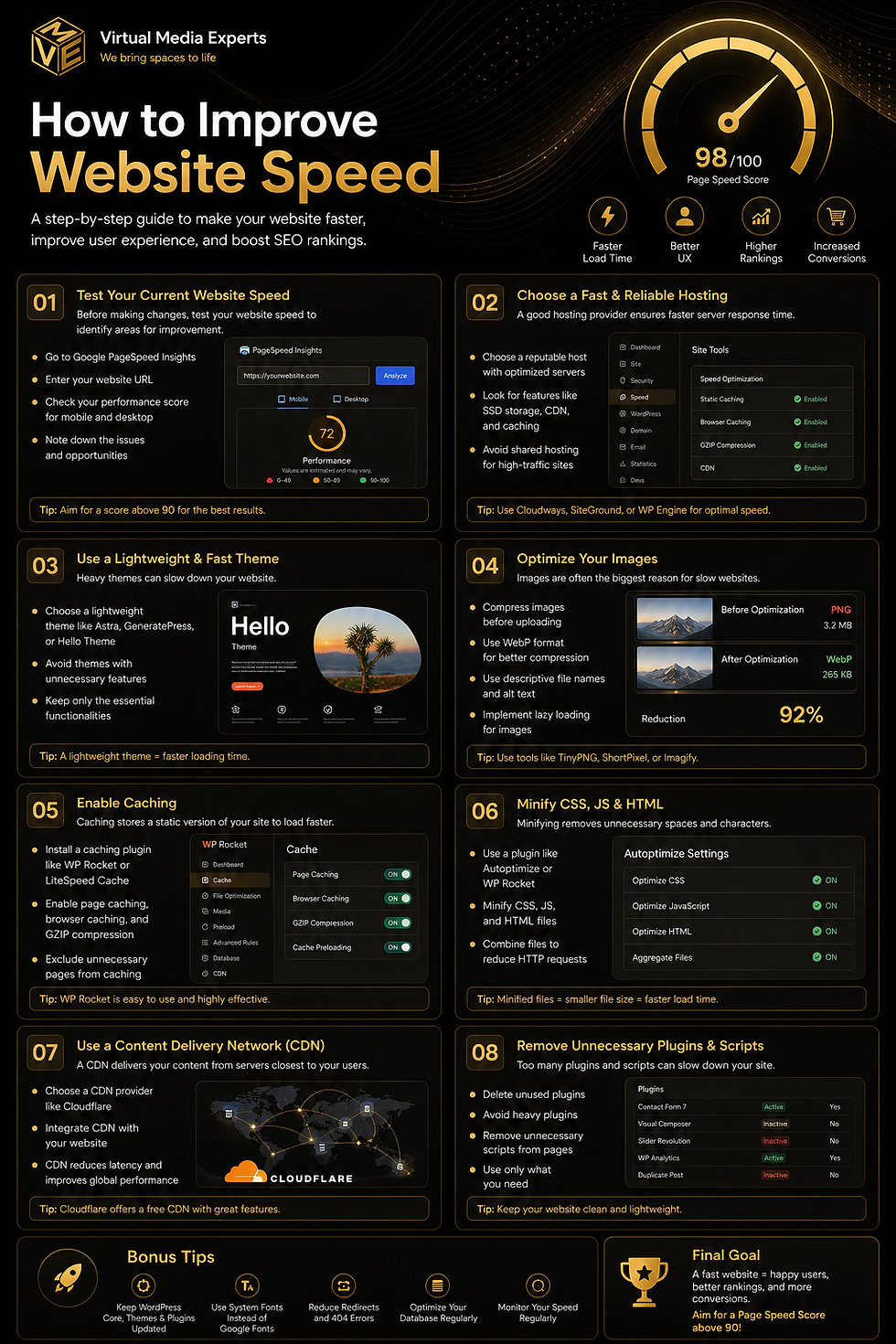
Improve Website Speed and Mobile Experience
Page speed and mobile usability are critical ranking factors. Slow-loading pages frustrate users and increase bounce rates. To improve performance:
Compress images without losing quality.
Minimize CSS, JavaScript, and HTML files.
Use browser caching and content delivery networks (CDNs).
Choose a reliable hosting provider.
Ensure your website is fully responsive and easy to navigate on mobile devices.
Google’s PageSpeed Insights tool can help identify specific issues and suggest improvements.
Build Quality Backlinks
Backlinks from reputable websites signal to search engines that your content is trustworthy and authoritative. Focus on earning links through:
Guest posting on relevant blogs.
Creating shareable content like infographics or research reports.
Reaching out to industry influencers and partners.
Fixing broken links on other sites by offering your content as a replacement.
Avoid buying links or participating in link schemes, as these can harm your rankings.
Use Analytics to Track and Adjust Your Strategy
SEO is an ongoing process. Use tools like Google Analytics and Google Search Console to monitor your website’s performance. Track metrics such as:
Organic traffic growth
Bounce rate
Average session duration
Keyword rankings
Conversion rates
Analyze this data to identify what works and where you need to improve. For example, if a particular blog post attracts traffic but has a high bounce rate, consider updating the content or improving the call to action.

Integrate SEO with Other Marketing Channels
SEO works best when combined with other marketing efforts. For example:
Share your optimized content on email newsletters and social media to increase reach.
Use paid search campaigns to complement organic efforts and test keywords.
Align SEO with content marketing by planning topics based on keyword research.
This integrated approach helps build brand awareness and drives consistent traffic.


Comments